





Revolutionizing Waste Management: How IoT Waste Solutions Are Transforming Valet Trash Services by 2025
As we approach 2025, the landscape of waste management is undergoing a significant transformation, driven by the integration of Internet of Things (IoT) technologies. Valet trash services, a convenient amenity for many residential communities, are at the forefront of this revolution. The adoption of IoT solutions in valet trash services is not only enhancing operational efficiency but also contributing to environmental sustainability. This shift is characterized by several key trends that are poised to redefine how waste is collected, managed, and processed.
To begin with, smart waste bins equipped with IoT sensors are becoming increasingly prevalent in valet trash services. These sensors monitor the fill levels of bins in real-time, providing valuable data that enables service providers to optimize collection routes and schedules. By ensuring that bins are only emptied when necessary, this technology reduces the frequency of collections, thereby lowering fuel consumption and minimizing the carbon footprint of waste management operations. Moreover, the data collected from these sensors can be analyzed to identify patterns in waste generation, allowing for more accurate forecasting and resource allocation.
In addition to smart bins, the integration of IoT technology in valet trash services is facilitating the development of more sophisticated waste tracking systems. These systems provide end-to-end visibility of the waste management process, from collection to disposal. By leveraging GPS and RFID technologies, service providers can track the movement of waste in real-time, ensuring that it is handled in compliance with regulatory requirements. This level of transparency not only enhances accountability but also builds trust with residents, who can be assured that their waste is being managed responsibly.
Furthermore, the use of IoT solutions in valet trash services is driving improvements in customer service. With the help of mobile applications, residents can now schedule pickups, report issues, and receive notifications about service updates with ease. These apps often integrate with smart home systems, allowing residents to manage their waste services alongside other household functions. This seamless integration enhances the overall user experience, making valet trash services more convenient and accessible than ever before.
Another significant trend is the emphasis on sustainability and recycling. IoT technologies are enabling valet trash services to implement more effective recycling programs by providing detailed insights into the types and quantities of materials being disposed of. This information can be used to educate residents about proper recycling practices and to develop targeted initiatives aimed at reducing waste. Additionally, some service providers are exploring the use of AI-powered sorting systems that can automatically separate recyclables from general waste, further streamlining the recycling process.
As we look towards 2025, it is clear that the integration of IoT technologies in valet trash services is set to revolutionize the industry. By enhancing operational efficiency, improving customer service, and promoting sustainability, these innovations are transforming the way waste is managed in residential communities. As more service providers adopt these technologies, we can expect to see continued advancements in the field, ultimately leading to a more efficient and environmentally friendly waste management system. The future of valet trash services is undoubtedly bright, with IoT solutions playing a pivotal role in shaping a cleaner and more sustainable world.
Smart Trash and Automated Collection: The Future of Valet Trash Tech and Modern Waste Solutions
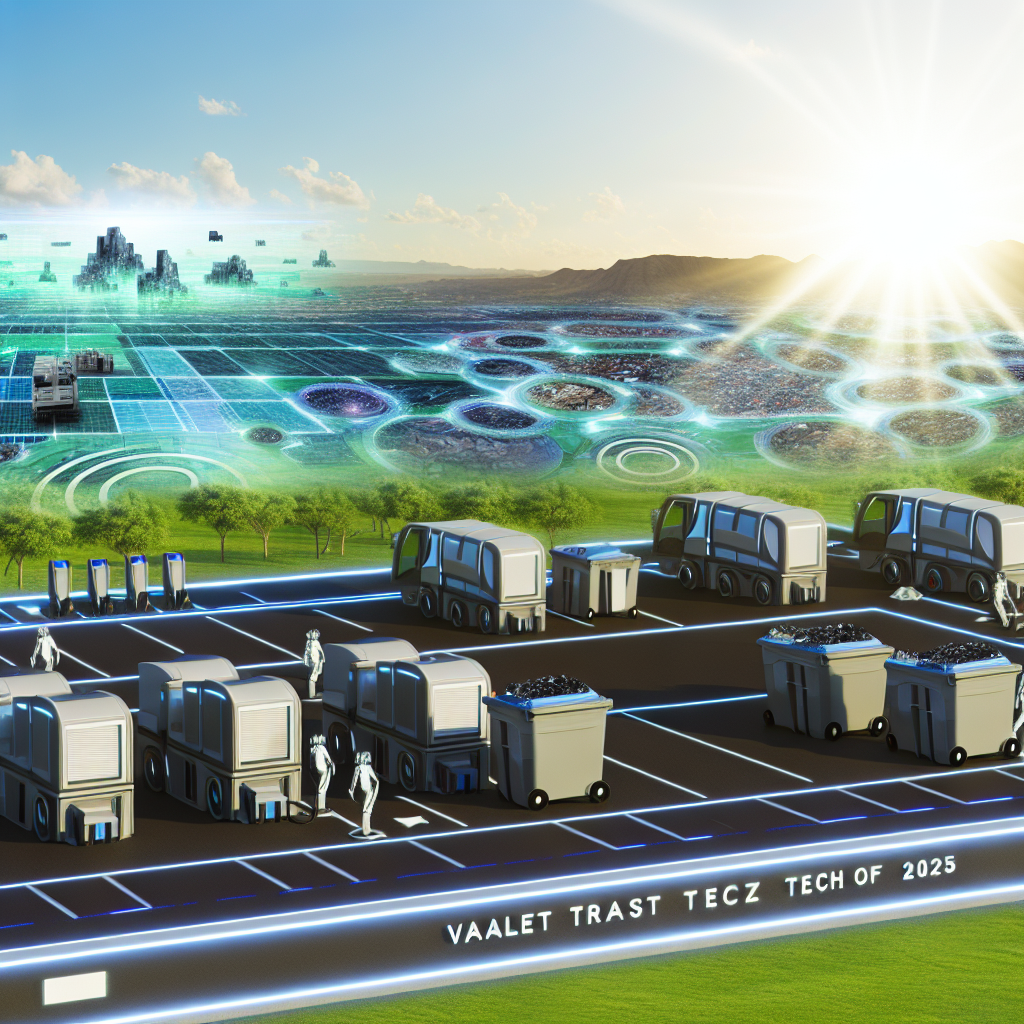
As urban living continues to evolve, the demand for efficient waste management solutions has never been more critical. Valet trash services, once a simple convenience, are now at the forefront of technological innovation, transforming how waste is collected and managed in residential communities. By 2025, the integration of smart trash systems and automated collection processes is set to redefine the landscape of valet trash services, offering enhanced efficiency, sustainability, and convenience.
One of the most significant trends in this sector is the adoption of smart trash bins equipped with sensors and connectivity features. These advanced bins can monitor waste levels in real-time, providing valuable data to service providers. By analyzing this data, companies can optimize collection schedules, ensuring that bins are emptied only when necessary. This not only reduces operational costs but also minimizes the environmental impact by decreasing the number of collection trips required. Furthermore, smart bins can alert residents and management when they are nearing capacity, preventing overflow and maintaining cleanliness in communal areas.
In addition to smart bins, the use of automated collection vehicles is gaining traction. These vehicles are equipped with robotic arms and advanced navigation systems, allowing them to autonomously collect waste from designated areas. By reducing the reliance on manual labor, automated vehicles can operate more efficiently and safely, particularly in densely populated urban environments where traditional collection methods may be challenging. Moreover, the integration of artificial intelligence in these vehicles enables them to learn and adapt to specific routes, further enhancing their efficiency over time.
The convergence of Internet of Things (IoT) technology with valet trash services is another pivotal development. IoT-enabled systems facilitate seamless communication between smart bins, collection vehicles, and central management platforms. This interconnected network allows for real-time monitoring and management of waste collection processes, enabling service providers to respond swiftly to any issues that may arise. For instance, if a bin is damaged or malfunctioning, the system can automatically dispatch a maintenance team to address the problem, ensuring uninterrupted service.
Sustainability is also a driving force behind the innovations in valet trash services. As environmental concerns continue to mount, there is a growing emphasis on reducing waste and promoting recycling. Smart trash systems can be programmed to sort waste at the source, separating recyclables from non-recyclables. This not only streamlines the recycling process but also encourages residents to participate actively in sustainable practices. Additionally, some systems are exploring the use of solar-powered bins and vehicles, further reducing the carbon footprint associated with waste collection.
The integration of mobile applications is another trend shaping the future of valet trash services. These apps provide residents with a convenient platform to manage their waste disposal needs, offering features such as scheduling pickups, reporting issues, and receiving notifications about service updates. For property managers, these applications offer valuable insights into waste management patterns, enabling them to make informed decisions about resource allocation and service improvements.
In conclusion, the future of valet trash services is being shaped by a confluence of technological advancements that promise to enhance efficiency, sustainability, and user experience. As smart trash systems, automated collection vehicles, IoT integration, and mobile applications become more prevalent, the industry is poised to meet the growing demands of modern urban living. By embracing these innovations, valet trash services can not only improve operational efficiency but also contribute to a cleaner, more sustainable environment for all.
Top Waste Innovations for 2025: Embracing Technology in Valet Trash Services
As we approach 2025, the landscape of valet trash services is undergoing a significant transformation, driven by technological advancements and innovative practices. This evolution is not only enhancing operational efficiency but also elevating customer satisfaction and environmental sustainability. One of the most notable trends is the integration of smart technology into waste management systems. By employing Internet of Things (IoT) devices, valet trash services can now monitor waste levels in real-time, allowing for more efficient collection schedules and reducing unnecessary trips. This not only optimizes resource allocation but also minimizes the carbon footprint associated with waste collection.
In addition to IoT, artificial intelligence (AI) is playing a pivotal role in revolutionizing valet trash services. AI algorithms are being utilized to predict waste generation patterns, enabling service providers to anticipate demand and adjust their operations accordingly. This predictive capability ensures that resources are deployed where they are most needed, enhancing the overall efficiency of the service. Furthermore, AI-driven analytics provide valuable insights into consumer behavior, allowing companies to tailor their services to better meet the needs of their clients.
Another emerging trend is the adoption of electric and autonomous vehicles for waste collection. As the world moves towards sustainable practices, the use of electric vehicles (EVs) in valet trash services is gaining traction. These vehicles not only reduce greenhouse gas emissions but also offer cost savings in terms of fuel and maintenance. Moreover, the development of autonomous vehicles is set to revolutionize the industry by reducing the need for human intervention in waste collection, thereby lowering labor costs and increasing operational efficiency.
The integration of mobile applications is also transforming the way valet trash services are delivered. These apps provide a seamless interface for customers to schedule pickups, track service status, and receive notifications. By enhancing communication between service providers and customers, mobile applications improve the overall user experience and foster greater customer loyalty. Additionally, these platforms often include features that promote recycling and waste reduction, encouraging users to adopt more sustainable practices.
Blockchain technology is another innovation that is beginning to make its mark on the valet trash industry. By providing a secure and transparent way to track waste from collection to disposal, blockchain ensures accountability and compliance with environmental regulations. This technology also facilitates the creation of a circular economy by enabling the traceability of recyclable materials, thus promoting their reuse and reducing the burden on landfills.
Moreover, the focus on sustainability is driving the development of eco-friendly waste disposal methods. Innovations such as waste-to-energy technologies are gaining popularity, converting waste into renewable energy sources. This not only reduces the volume of waste sent to landfills but also contributes to the generation of clean energy, aligning with global efforts to combat climate change.
In conclusion, the valet trash services industry is poised for a technological revolution by 2025, with innovations that promise to enhance efficiency, sustainability, and customer satisfaction. The integration of IoT, AI, electric and autonomous vehicles, mobile applications, blockchain, and eco-friendly disposal methods are setting new standards for the industry. As these technologies continue to evolve, they will undoubtedly shape the future of waste management, offering a cleaner, more efficient, and sustainable solution for communities worldwide.
Discover the future of waste management with cutting-edge technology and innovations in valet trash services. Stay ahead of the curve and explore the top trends for 2025 that are revolutionizing the industry. Learn more now!